3 Day Singapore Itinerary: Best Places to Visit, Eat and Explore
Singapore is a vibrant city-state where modern skyscrapers, lush gardens, cultural neighbourhoods and world-famous food come together. Whether you are visiting for the first time or returning for another holiday, three days in Singapore is enough to experience many of its most iconic attractions, discover local culture and enjoy delicious Singaporean cuisine.
This 3 day Singapore itinerary takes you through the city’s highlights, from Marina Bay and Gardens by the Bay to Chinatown, Little India and Sentosa Island. The itinerary is designed for first-time visitors who want a comfortable mix of sightseeing, food, shopping and entertainment without rushing between too many places.
Day 1: Marina Bay, Gardens by the Bay and Singapore’s Skyline
Spend your first day exploring Singapore’s iconic waterfront, futuristic gardens and impressive city skyline.
Morning: Merlion Park and Marina Bay
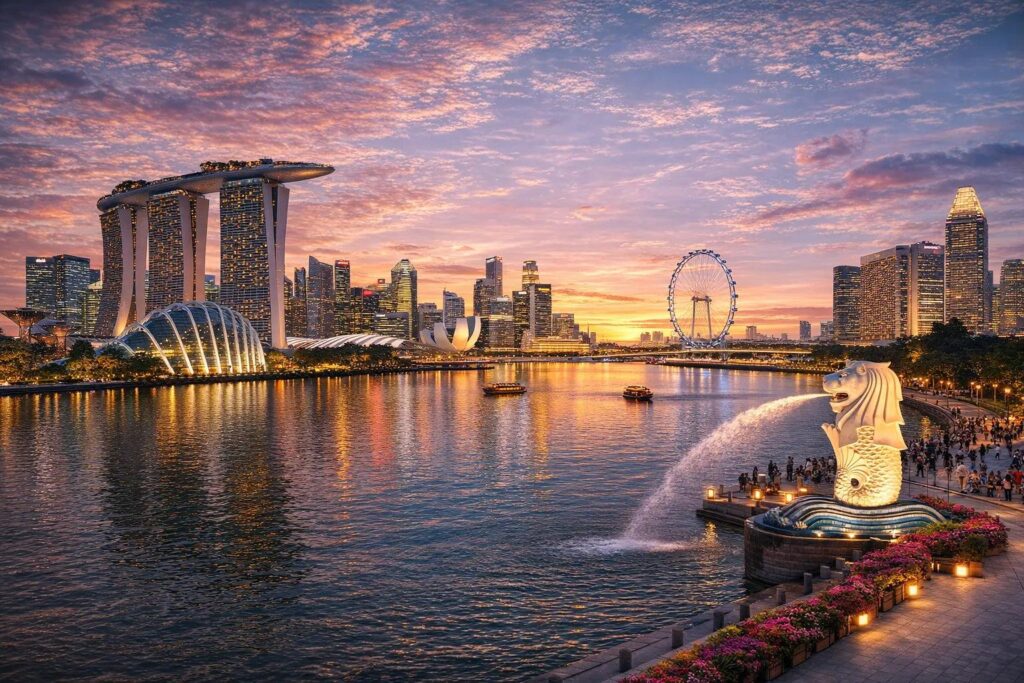
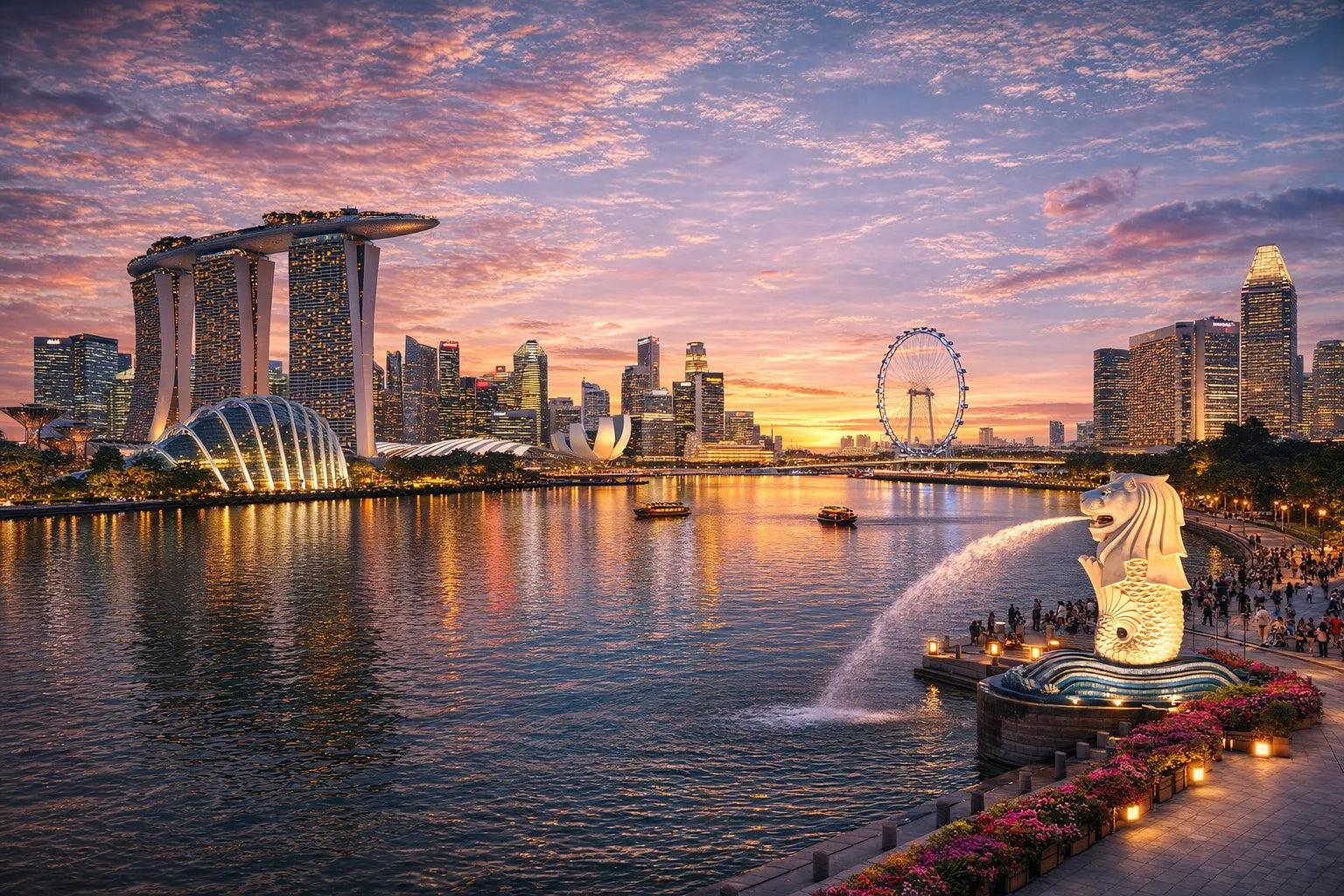
Begin your Singapore adventure at Merlion Park, one of the city’s most recognisable landmarks. Take photographs of the famous Merlion statue, which has the head of a lion and the body of a fish, with Marina Bay Sands in the background.
Continue along the waterfront promenade to enjoy views of Singapore’s modern skyline. Depending on your interests, you can also explore nearby attractions such as the Esplanade, a performing arts centre known for its distinctive architecture.
Highlights:
- Photograph the Merlion statue.
- Enjoy panoramic views of Marina Bay.
- Walk along the waterfront promenade.
- Take pictures of Marina Bay Sands and the surrounding skyscrapers.
Afternoon: Gardens by the Bay
Head to Gardens by the Bay, one of Singapore’s most popular attractions. This spectacular garden combines innovative architecture with beautiful green spaces and impressive horticultural displays.
Explore the Supertree Grove, where enormous tree-like structures create a striking futuristic landscape. Visit the Flower Dome and Cloud Forest conservatories if you want to discover exotic plants and impressive indoor garden environments.
Allow approximately two to four hours to explore, depending on which attractions you choose.
Travel tip: Some attractions require separate admission tickets. Check official opening hours and ticket availability before your visit.
Evening: Marina Bay Sands and Spectra
As evening approaches, return to the Marina Bay area to enjoy the city lights. If your budget allows, consider visiting the Marina Bay Sands SkyPark Observation Deck for panoramic views across Singapore.
You can then watch Spectra, the outdoor light and water show at the Event Plaza along the Marina Bay waterfront, subject to the current operating schedule.
Finish the evening with dinner at a nearby food court, hawker centre or waterfront restaurant.
Where to eat: Try Singaporean favourites such as chicken rice, laksa, satay or char kway teow.
Day 2: Singapore’s Cultural Neighbourhoods and Local Food
Discover the cultural diversity of Singapore by visiting Chinatown, Little India and Kampong Glam. These neighbourhoods offer historic landmarks, colourful streets, traditional shops and plenty of opportunities to sample local food.
Morning: Chinatown
Start your second day in Chinatown, a historic neighbourhood with traditional shophouses, temples, markets and restaurants.
Visit the Buddha Tooth Relic Temple to admire its architecture and cultural displays. You can also explore Chinatown’s streets for souvenirs, traditional snacks and local crafts.
If you enjoy Singaporean food, stop at a nearby hawker centre for breakfast or an early lunch.
Things to do in Chinatown:
- Visit the Buddha Tooth Relic Temple.
- Explore traditional shophouses and street markets.
- Browse souvenir shops.
- Sample local dishes at a hawker centre.
Afternoon: Little India
Next, travel to Little India, a lively neighbourhood known for its colourful buildings, Indian restaurants, spice shops and cultural landmarks.
Visit the Sri Veeramakaliamman Temple, admire the area’s vibrant street art and explore the shops along Serangoon Road.
Also try to visit Indian Heritage Centre. This is a great place to learn about the history of Indians in Singapore and how people migrated there a few centuries ago. They also offer educational and interactive experiences for kids and students.
Little India is also an excellent place to enjoy Indian cuisine, including roti prata, biryani, dosa and traditional sweets.
For a different shopping experience, visit Mustafa Centre, a well-known shopping complex with a wide variety of products. Check its current operating hours before travelling.
Late Afternoon: Kampong Glam and Haji Lane
Continue to Kampong Glam, Singapore’s historic Malay-Arab quarter.
Visit the impressive Sultan Mosque, explore the boutiques along Arab Street and browse the colourful murals and independent shops around Haji Lane.
This neighbourhood is particularly appealing to visitors interested in photography, fashion, cafes and contemporary local culture.
Remember to dress respectfully when visiting religious sites and follow any visitor guidelines.
Evening: Bugis or Clarke Quay
Spend your evening shopping and dining around Bugis, or head to Clarke Quay for riverside restaurants and nightlife.
Bugis is a convenient choice for casual shopping and affordable food, while Clarke Quay offers a livelier atmosphere with bars, restaurants and views of the Singapore River.
Food recommendations: Try chilli crab if you want a signature Singapore seafood experience, or choose a more budget-friendly meal of chicken rice, fishball noodles or satay.
Day 3: Sentosa Island, Attractions and Relaxation
Spend your final day enjoying Singapore’s island attractions. Sentosa is ideal for visitors who want a mixture of entertainment, scenic views, beaches and leisure activities.
Morning: Travel to Sentosa Island
Start the day by travelling to Sentosa Island, which is accessible by public transport, the Sentosa Express, cable car or on foot via the Sentosa Boardwalk.
Choose your first attraction based on your interests and budget.
Popular options include:
- Universal Studios Singapore: A theme park featuring rides, themed zones and entertainment. Check operating dates and ticket availability before your visit.
- Singapore Oceanarium: Explore marine life and underwater habitats at this major marine attraction.
- Singapore Cable Car: Enjoy aerial views of the harbour and Sentosa, subject to operating conditions.
- Fort Siloso: Discover a historic coastal fort and learn about Singapore’s wartime history.
You will not have time to experience every major attraction in one morning, so select one or two priorities.
Afternoon: Sentosa Beaches and Leisure
After visiting your chosen attractions, relax at one of Sentosa’s beaches.
Siloso Beach is known for its lively atmosphere and beachside activities, while Palawan Beach is popular with families and visitors looking for a more relaxed setting.
Enjoy a leisurely lunch at one of the island’s restaurants or casual dining outlets before spending some time by the sea.
Travel tip: Singapore can be hot and humid throughout the year. Bring sunscreen, comfortable walking shoes and drinking water.
Evening: Return to the City
Return to mainland Singapore in the late afternoon or early evening.
If you still have time and energy, consider visiting Orchard Road for shopping or heading to Jewel Changi Airport if your flight departs later that evening and your schedule permits.
Jewel is famous for the HSBC Rain Vortex, an impressive indoor waterfall surrounded by landscaped gardens and shopping outlets. Allow sufficient time to reach the airport and complete airline check-in procedures.
If you prefer a relaxed final evening, enjoy dinner at a hawker centre and reflect on the highlights of your Singapore holiday.
Best Places to Eat During Your 3 Days in Singapore
Singapore is one of Asia’s most exciting food destinations, with local dishes influenced by Chinese, Malay, Indian and other culinary traditions.
Here are some foods worth trying during your trip:
1. Hainanese chicken rice
Tender poached or roasted chicken served with fragrant rice, chilli sauce and ginger. It is one of Singapore’s most famous everyday meals.
2. Laksa
A rich, spicy noodle soup often prepared with coconut milk, aromatic spices and seafood.
3. Chilli crab
A popular seafood dish served in a savoury, spicy-sweet sauce. It is usually more expensive than a typical hawker meal and is ideal for sharing.
4. Satay
Grilled skewers of marinated meat served with peanut sauce, commonly enjoyed as an evening snack or meal.
5. Roti prata
A crispy, flaky flatbread commonly served with curry. It is a popular breakfast or supper choice.
6. Kaya toast and kopi
A classic Singaporean breakfast featuring toasted bread with kaya coconut jam and butter, often accompanied by local coffee.
For an authentic local food experience, consider visiting hawker centres such as Maxwell Food Centre, Lau Pa Sat or Chinatown Complex Food Centre. Check current opening hours and individual stall availability.
Getting Around Singapore
Singapore has an efficient public transport network, making it easy to explore without renting a car.
MRT and buses: The Mass Rapid Transit (MRT) system connects many major attractions and neighbourhoods. Public buses are useful for destinations that are not directly beside an MRT station.
Contactless payments: Eligible contactless bank cards and mobile wallets can be used on public transport, subject to the applicable payment arrangements. Check the current rules before travelling.
Taxis and ride-hailing: Taxis and ride-hailing services are convenient for late-night journeys, groups or trips with luggage.
Walking: Many attractions around Marina Bay and the cultural districts can be explored on foot. However, allow extra time for Singapore’s heat and humidity.
For most visitors, public transport combined with occasional taxi or ride-hailing trips is a convenient way to follow this three-day itinerary.
Where to Stay in Singapore
Choosing accommodation near an MRT station can save time and make sightseeing easier.
Marina Bay and City Hall: Suitable for visitors who want convenient access to major landmarks, waterfront attractions and shopping areas. Accommodation in this area can be expensive.
Bugis and Bencoolen: Good options for travellers seeking a central location with public transport connections, dining choices and shopping nearby.
Chinatown: A convenient base for exploring heritage attractions, local food and the city centre.
Orchard Road: Ideal for travellers who enjoy shopping, hotels and easy access to restaurants and retail centres.
When comparing accommodation, consider your budget, room size, MRT access and the distance to your planned attractions.
Practical Singapore Travel Tips
Before setting off, keep these useful tips in mind:
- Weather: Singapore is tropical, so expect warm temperatures and humidity throughout the year. Carry an umbrella for sudden showers.
- Clothing: Wear light, breathable clothing and comfortable walking shoes.
- Payments: Cards and contactless payments are widely accepted, but carrying some Singapore dollars can be useful.
- Local laws: Familiarise yourself with Singapore’s laws and public rules, including restrictions on smoking in designated areas and regulations concerning prohibited items.
- Religious sites: Dress respectfully and observe local customs when visiting temples and mosques.
- Attraction tickets: Book popular attractions in advance when possible, and check official websites for current prices, opening hours and maintenance closures.
- Travel insurance: Consider travel insurance that suits your itinerary and personal needs.
- Airport planning: Allow enough time to travel to Changi Airport and complete check-in and immigration procedures.
Frequently Asked Questions
Is 3 days enough to visit Singapore?
Yes. Three days is enough to experience many of Singapore’s main attractions, including Marina Bay, Gardens by the Bay, cultural neighbourhoods and Sentosa Island. A longer stay is recommended if you want to explore more museums, nature parks, shopping districts and attractions at a slower pace.
What is the best time to visit Singapore?
Singapore can be visited throughout the year. The climate is generally hot and humid, with rainfall possible in every season. Choose your travel dates based on your preferred activities, events and flight prices rather than expecting a consistently dry season.
Is Singapore expensive for tourists?
Singapore can be expensive, particularly for luxury accommodation, fine dining and major attractions. However, visitors can manage their budget by using public transport, eating at hawker centres and selecting attractions according to their interests.
Can I explore Singapore without a car?
Yes. Singapore’s MRT system, public buses, taxis and ride-hailing services make it easy to travel around the city without renting a car.
What should I book in advance?
Consider booking accommodation and flights early, especially during busy travel periods. For attractions such as Universal Studios Singapore, Gardens by the Bay conservatories and observation decks, check official ticketing websites for availability and advance-purchase options.
Plan Your Singapore Adventure
Singapore offers an exciting combination of futuristic architecture, cultural heritage, delicious food and island entertainment. With three well-planned days, you can experience the highlights of Marina Bay, explore the city’s diverse neighbourhoods and enjoy a memorable visit to Sentosa Island.
Use this 3 day Singapore itinerary as a starting point and adjust the activities to suit your travel style, budget and interests.