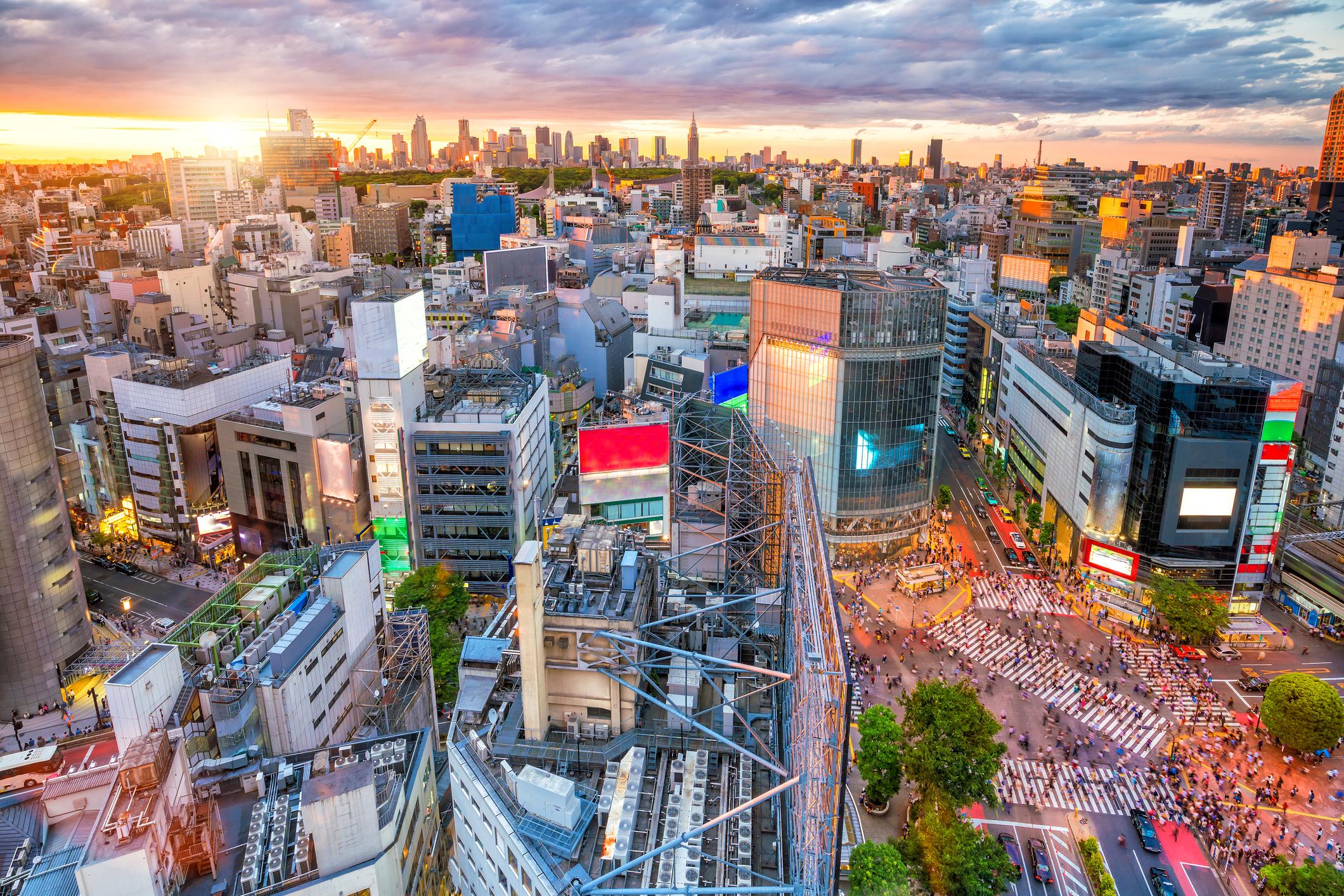
15 Best Places to Visit in Japan
Japan is a fascinating destination where ancient traditions, futuristic cities, breathtaking natural landscapes and delicious cuisine come together. Whether you are planning your first holiday to Japan or returning to discover more of the country, there are countless unforgettable places to explore.
From the neon-lit streets of Tokyo and the historic temples of Kyoto to the spectacular views of Mount Fuji and the tropical beaches of Okinawa, Japan offers something for every type of traveller.
In this guide, we explore the 15 best places to visit in Japan, including famous attractions, cultural experiences, local food and practical travel tips to help you plan your next Japanese holiday.
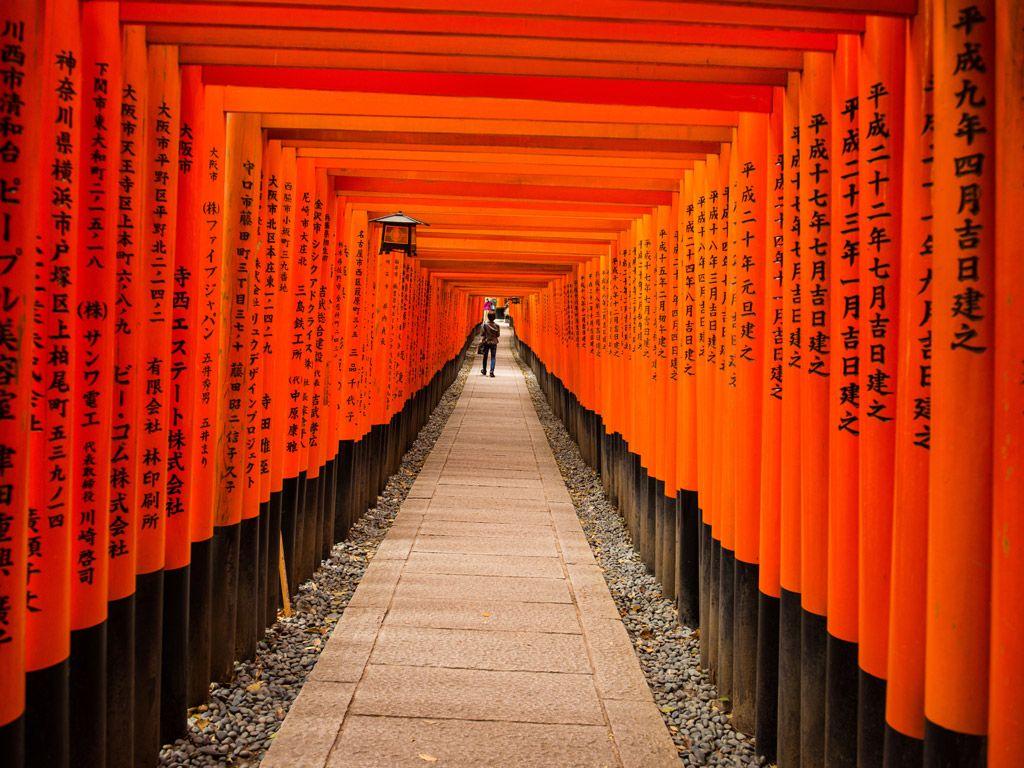
1. Tokyo – Experience Japan’s Exciting Capital
Tokyo is one of the best places to visit in Japan for travellers who want to experience the country’s modern lifestyle, traditional culture, shopping and entertainment. The Japanese capital combines towering skyscrapers and busy shopping districts with peaceful shrines, beautiful gardens and historic neighbourhoods.
Top attractions in Tokyo
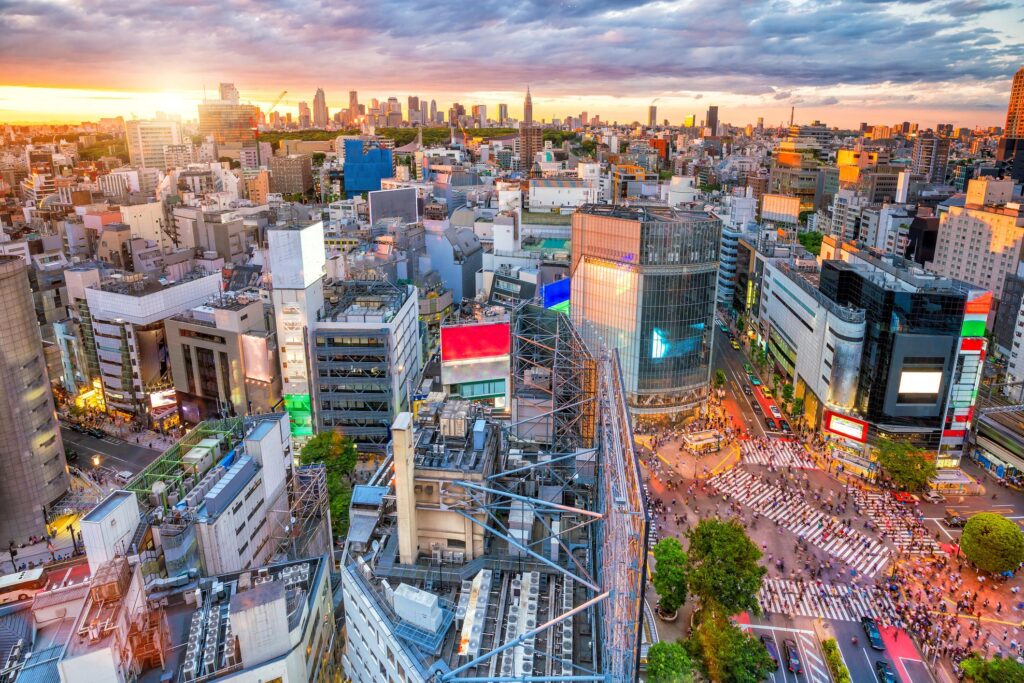
- Shibuya Crossing: Experience one of the world’s most recognisable pedestrian crossings and explore the surrounding shopping and entertainment district.
- Senso-ji Temple: Visit Tokyo’s historic Buddhist temple in Asakusa and browse the traditional shops along Nakamise Street.
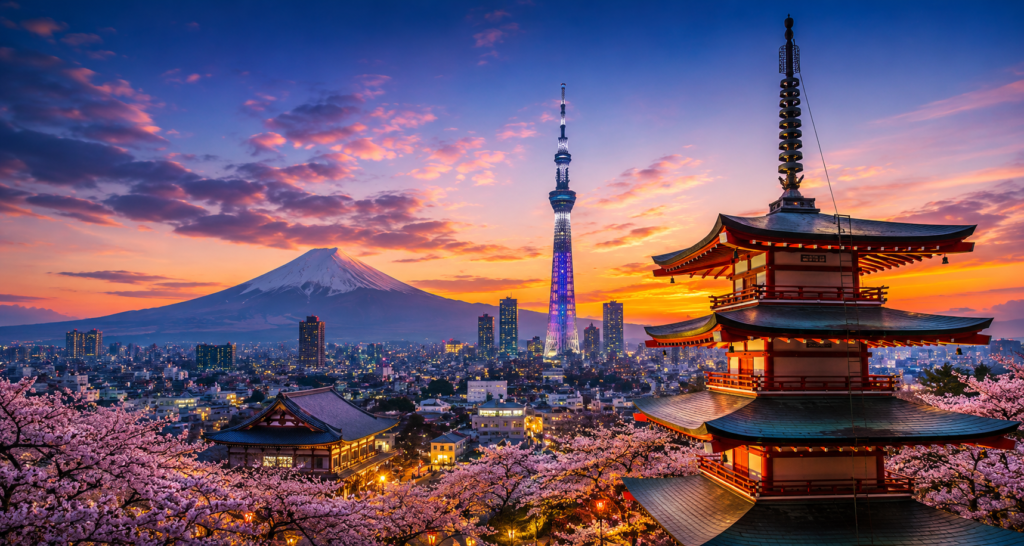
- Tokyo Skytree: Enjoy panoramic views of the city from one of its most recognisable landmarks.
- Shinjuku: Discover department stores, restaurants, nightlife and the peaceful Shinjuku Gyoen National Garden.
- Akihabara: Explore anime, manga, gaming and electronics shops.
- Meiji Jingu Shrine: Escape the busy city streets in a tranquil forest setting.
What to eat in Tokyo
Tokyo is an excellent destination for sushi, ramen, tempura, yakitori and Japanese desserts. Visitors can enjoy everything from affordable neighbourhood eateries to acclaimed fine-dining restaurants.
Best for: First-time visitors, shopping, food, nightlife and urban sightseeing.
Recommended stay: 3–4 days.
2. Kyoto – Discover Traditional Japanese Culture
Kyoto is one of the most beautiful destinations in Japan for travellers interested in historic temples, traditional architecture, Japanese gardens and cultural experiences.
As Japan’s former imperial capital for more than a thousand years, Kyoto preserves an extraordinary collection of historic landmarks and traditional neighbourhoods.
Top attractions in Kyoto
- Fushimi Inari Taisha: Walk beneath thousands of red torii gates along the shrine’s scenic mountain trails.
- Kinkaku-ji (Golden Pavilion): Admire the famous golden temple reflected in its surrounding pond.
- Arashiyama Bamboo Grove: Wander through a picturesque bamboo forest and explore the surrounding area.
- Kiyomizu-dera Temple: Enjoy historic architecture and sweeping views across Kyoto.
- Gion: Explore traditional streets known for wooden townhouses, teahouses and geisha culture.
- Nishiki Market: Sample Japanese snacks, pickles, sweets and regional delicacies.
What to experience in Kyoto
Consider participating in a traditional tea ceremony, renting a kimono for photographs or visiting a Japanese garden. Seasonal cherry blossoms and autumn foliage make Kyoto especially attractive during spring and autumn.
Best for: Culture, history, photography and romantic holidays.
Recommended stay: 2–3 days.
3. Osaka – A Paradise for Food Lovers
Osaka is famous for its lively atmosphere, friendly local culture, exciting entertainment and outstanding street food. It is also an excellent base for exploring the wider Kansai region, including Kyoto, Nara and Kobe.
Top attractions in Osaka
- Dotonbori: Photograph the famous Glico Running Man sign and explore the colourful canal-side entertainment district.
- Osaka Castle: Discover one of Japan’s best-known historic landmarks, surrounded by spacious parkland.
- Universal Studios Japan: Enjoy themed attractions, rides and entertainment, including popular themed areas when operating.
- Shinsekai: Explore a retro neighbourhood known for local eateries and Tsutenkaku Tower.
- Umeda Sky Building: Admire panoramic city views from its rooftop observatory.
- Kuromon Ichiba Market: Sample seafood, grilled delicacies and Japanese snacks.
What to eat in Osaka
Osaka is often associated with the phrase “Japan’s kitchen”. Don’t leave without trying takoyaki (octopus balls), okonomiyaki (Japanese savoury pancakes) and kushikatsu (deep-fried skewers).
Best for: Food, nightlife, shopping, families and theme parks.
Recommended stay: 2–3 days.
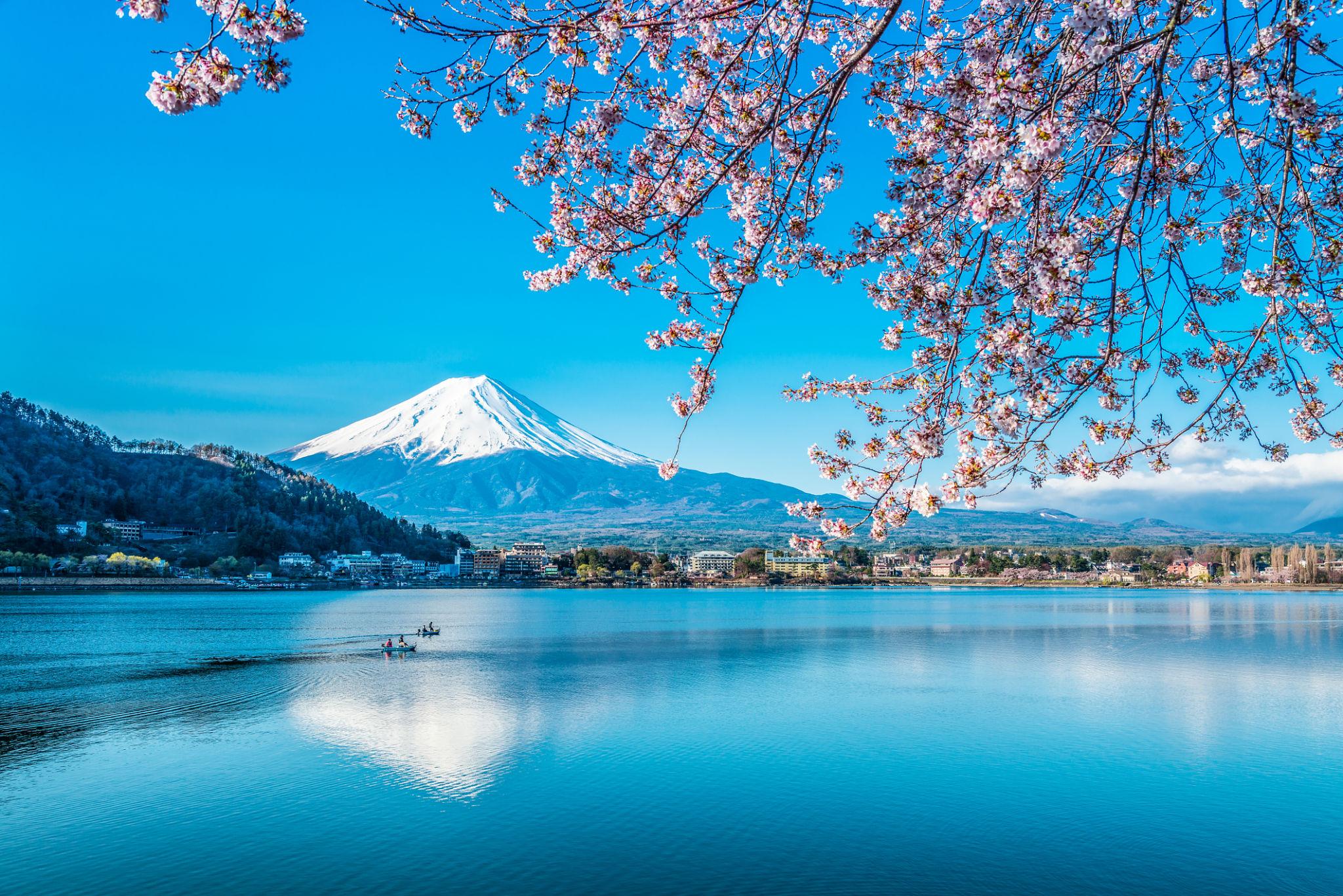
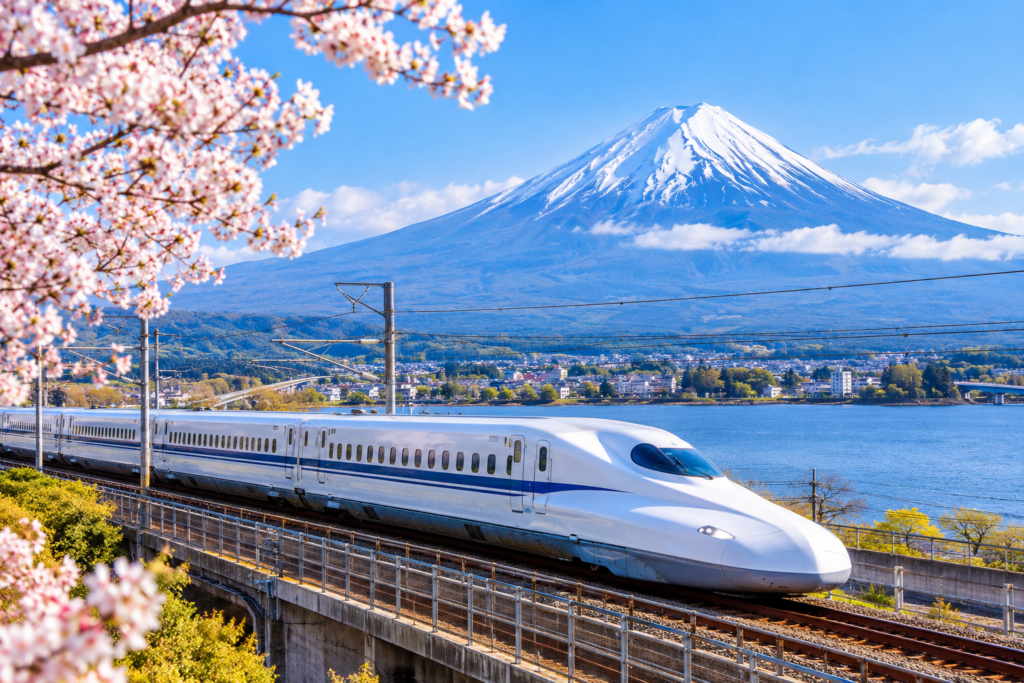
4. Mount Fuji – Admire Japan’s Iconic Mountain
Mount Fuji is Japan’s highest mountain and one of the country’s most recognisable natural landmarks. Its distinctive volcanic shape has inspired artists, photographers and travellers for generations.
Even if you do not intend to climb the mountain, the surrounding region offers spectacular scenery and relaxing sightseeing opportunities.
Best places to see Mount Fuji
- Lake Kawaguchiko: Enjoy lakeside views and visit scenic spots around the lake.
- Chureito Pagoda: Photograph the iconic pagoda with Mount Fuji in the background when weather and seasonal conditions cooperate.
- Oshino Hakkai: Visit a traditional village known for its clear spring-fed ponds.
- Lake Yamanakako: Discover another scenic lake with opportunities for photography and outdoor activities.
- Hakone: Combine mountain views with hot springs, museums and lake cruises.
Best time to visit Mount Fuji
Winter often offers clearer views of the mountain, while spring brings cherry blossoms and autumn provides colourful foliage around the lakes. Visibility depends on weather conditions, so plan some flexibility into your itinerary.
The official climbing season is limited and varies by route. Check current mountain access rules before planning a climb.
Best for: Nature lovers, photography, scenic drives and outdoor adventures.
Recommended stay: 1–2 days.
5. Hokkaido – Enjoy Spectacular Nature and Seasonal Scenery
Hokkaido, Japan’s northernmost main island, is renowned for its wide-open landscapes, national parks, fresh seafood, flower fields and winter snow.
It is particularly appealing to travellers who prefer nature-focused holidays and scenic road trips.
Top places to visit in Hokkaido
- Sapporo: Explore the capital’s food scene, parks, shopping streets and seasonal festivals.
- Otaru: Discover a charming port city known for its canal, historic warehouses and seafood.
- Furano and Biei: Admire rolling countryside, flower fields in season and distinctive rural landscapes.
- Niseko: Enjoy mountain scenery, outdoor activities and winter sports.
- Lake Toya: Visit a beautiful volcanic lake surrounded by mountains and hot spring resorts.
- Shiretoko National Park: Discover dramatic coastal landscapes and wildlife in a remarkable natural environment.
What to eat in Hokkaido
Popular local dishes include miso ramen, fresh crab, seafood rice bowls, soup curry, dairy desserts and grilled lamb.
Is Hokkaido suitable for a self-drive holiday?
Yes. A rental car can be particularly useful for exploring rural areas and scenic viewpoints. However, distances between attractions can be substantial, and winter driving requires additional care and preparation.
Best for: Scenic road trips, nature, seafood, hot springs and winter holidays.
Recommended stay: 5–7 days or longer.
6. Nara – Meet Japan’s Famous Deer
Nara is an excellent destination for travellers who want to explore Japanese history and culture on a relaxing day trip from Kyoto or Osaka.
The city was Japan’s first permanent capital and is home to significant temples, historic monuments and Nara Park, where deer roam freely in designated public areas.
Top attractions in Nara
- Nara Park: Walk through spacious grounds where visitors can observe the famous deer.
- Todai-ji Temple: See the enormous Great Buddha statue housed in an impressive wooden temple building.
- Kasuga Taisha Shrine: Explore a historic Shinto shrine known for its many lanterns.
- Kofuku-ji Temple: Visit a historic temple complex featuring a recognisable five-storey pagoda.
- Naramachi: Wander through traditional streets lined with historic houses, shops and cafes.
Visitors should follow posted guidance when interacting with the deer and avoid teasing or feeding them anything other than designated deer crackers.
Best for: History, culture, families and day trips.
Recommended stay: 1 day.
7. Hiroshima – Explore History and Resilience
Hiroshima offers a meaningful combination of historical reflection, cultural attractions and regional cuisine.
The city is internationally recognised for its Peace Memorial Park, which commemorates the atomic bombing of 1945 and promotes a message of peace.
Top attractions in Hiroshima
- Hiroshima Peace Memorial Park: Visit memorials dedicated to the victims of the atomic bombing.
- Atomic Bomb Dome: See the preserved building that has become a powerful symbol of peace.
- Hiroshima Peace Memorial Museum: Learn about the bombing and its devastating consequences.
- Shukkeien Garden: Explore a traditional Japanese garden with landscaped ponds and walking paths.
- Hiroshima Castle: Discover the city’s samurai-era history and castle grounds.
Take a day trip to Miyajima
From Hiroshima, you can travel to Miyajima, an island famous for Itsukushima Shrine and its striking torii gate near the water.
Allow enough time to explore the shrine area, enjoy the island’s scenery and sample local specialities.
Best for: History, cultural experiences and island excursions.
Recommended stay: 1–2 days, including Miyajima.
8. Okinawa – Discover Japan’s Tropical Islands
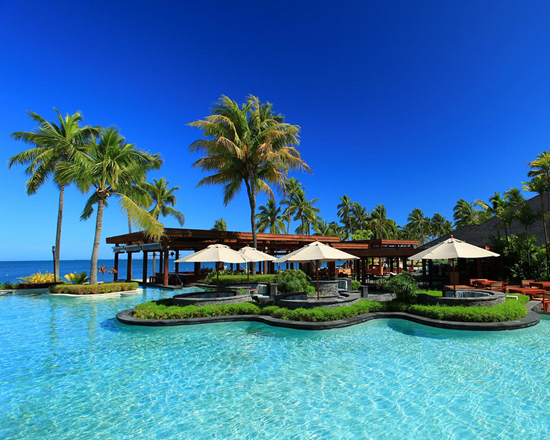
Okinawa offers a different experience from mainland Japan. Located in the country’s southwest, it is known for subtropical scenery, turquoise waters, coral reefs and a distinctive Ryukyu cultural heritage.
It is an excellent choice for travellers looking for beaches, island scenery and a slower holiday pace.
Top attractions in Okinawa
- Shurijo Castle Park: Discover the heritage of the former Ryukyu Kingdom; check current restoration and access information before visiting.
- Churaumi Aquarium: Explore marine life, including whale sharks when exhibited.
- Cape Manzamo: Admire dramatic coastal rock formations and ocean views.
- Kouri Island: Visit scenic beaches and viewpoints around the island.
- Naha: Explore the prefectural capital, including Kokusai-dori shopping street.
- Kerama Islands: Discover clear waters and opportunities for snorkelling, diving and marine activities.
What to eat in Okinawa
Try Okinawa soba, goya champuru, sea grapes and local tropical fruit. Okinawan cuisine reflects a distinctive cultural history and differs from the food traditionally associated with Tokyo or Kyoto.
Best for: Beaches, snorkelling, marine life, relaxation and island hopping.
Recommended stay: 4–7 days.
9. Kanazawa – Experience Traditional Japan Without Rushing
Kanazawa is a rewarding destination for travellers who enjoy historic districts, Japanese gardens, traditional crafts and regional cuisine.
Located on the Sea of Japan coast, the city offers a blend of samurai heritage, cultural attractions and a more relaxed sightseeing atmosphere.
Top attractions in Kanazawa
- Kenrokuen Garden: Explore one of Japan’s most celebrated traditional landscape gardens.
- Kanazawa Castle Park: Discover historic castle grounds and restored structures.
- Higashi Chaya District: Walk through streets lined with traditional wooden teahouses.
- Nagamachi Samurai District: Learn about samurai history and explore preserved neighbourhoods.
- Omicho Market: Sample seafood and browse shops selling local produce.
Kanazawa is particularly attractive in spring and autumn, although its gardens and historic neighbourhoods can be enjoyed throughout the year.
Best for: Traditional culture, gardens, food and photography.
Recommended stay: 1–2 days.
10. Takayama – Discover a Charming Mountain Town
Takayama, located in the mountainous Hida region, is known for its preserved old town, traditional wooden buildings and regional food.
It is an excellent destination for travellers who want to experience a smaller Japanese town away from the busiest metropolitan centres.
Top attractions in Takayama
- Sanmachi Suji: Explore the historic old town with traditional merchant houses, shops and sake breweries.
- Miyagawa Morning Market: Browse local produce, handmade products and regional snacks.
- Takayama Jinya: Visit a historic government building from the Edo period.
- Hida Folk Village: Discover traditional rural architecture and historic buildings.
- Hida beef restaurants: Try the region’s well-known premium beef.
Takayama can also be combined with a visit to Shirakawa-go, a historic village famous for its traditional thatched-roof houses.
Best for: Historic streets, mountain scenery, local cuisine and relaxed sightseeing.
Recommended stay: 1–2 days.
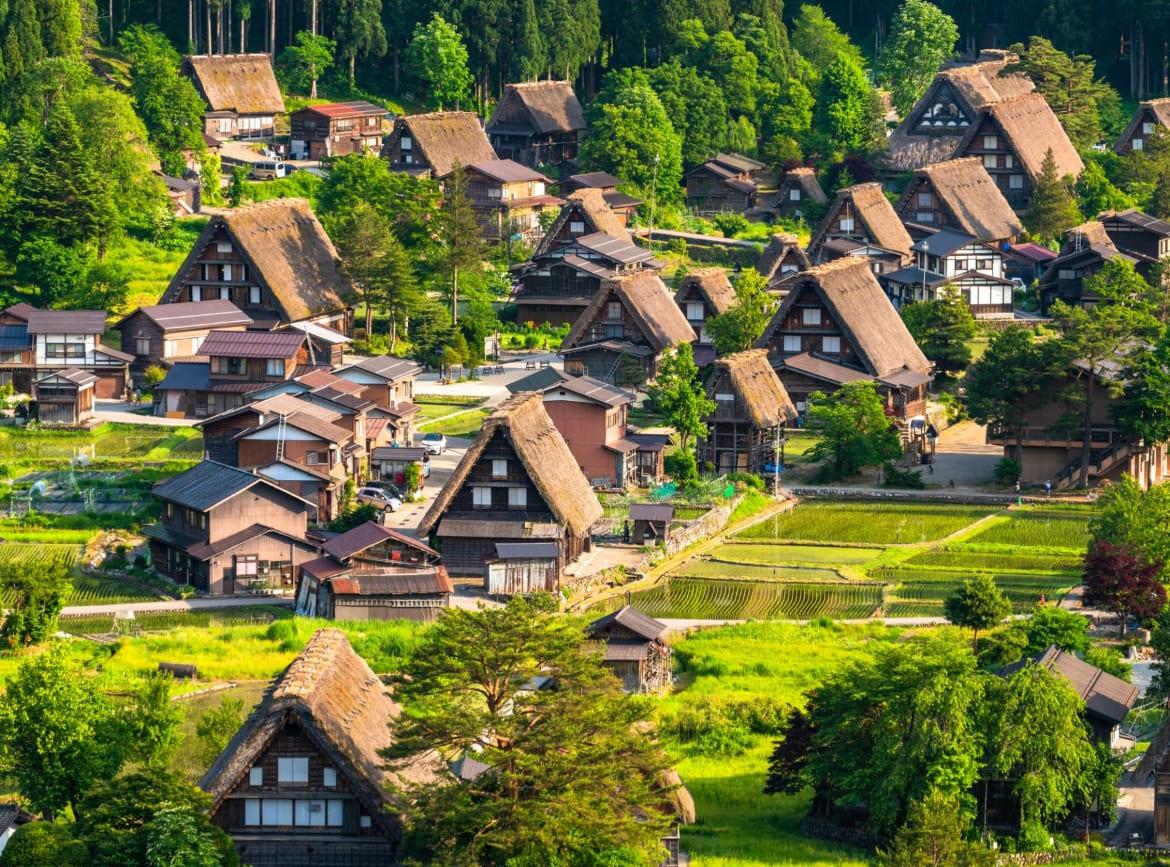
11. Shirakawa-go – Visit a Traditional Japanese Village
Shirakawa-go is famous for its traditional gassho-zukuri farmhouses, many of which feature steep thatched roofs designed to cope with heavy snowfall.
The village of Ogimachi offers visitors a glimpse of traditional rural life against a backdrop of mountains and seasonal scenery.
Things to do in Shirakawa-go
- Walk through Ogimachi village and admire its historic farmhouses.
- Visit selected traditional houses that are open to the public.
- Head to an authorised observation point for panoramic village photographs.
- Explore local shops selling regional crafts and food.
- Enjoy seasonal scenery, from fresh greenery to autumn colours and winter snow.
Winter is especially photogenic, but weather and access conditions can change. Special winter illumination events may require advance reservations or tickets.
Shirakawa-go can be visited as a day trip from Takayama or incorporated into a longer route through central Japan.
Best for: Traditional architecture, photography and cultural sightseeing.
Recommended stay: Half a day to 1 day.
12. Hakone – Relax in Hot Springs and Enjoy Mountain Views
Hakone is a popular mountain resort area within reach of Tokyo. It is known for hot springs, scenic transport routes, museums and views of Mount Fuji when weather conditions are favourable.
It is a good choice for travellers who want to combine sightseeing with relaxation.
Top attractions in Hakone
- Lake Ashi: Enjoy lakeside scenery and take a sightseeing cruise.
- Hakone Ropeway: Travel above volcanic landscapes around the Owakudani area, subject to operational conditions.
- Owakudani: See a dramatic volcanic valley and try the area’s famous black eggs when available.
- Hakone Open-Air Museum: Explore sculptures and outdoor art installations.
- Traditional ryokan: Experience Japanese hospitality and, where available, a private or shared hot spring bath.
Is Hakone worth visiting?
Hakone is especially worthwhile if you want a change of pace from Tokyo. An overnight stay allows more time to enjoy the hot springs, museums and scenic transport without rushing.
Best for: Couples, relaxation, hot springs and nature.
Recommended stay: 1–2 days.
13. Nagasaki – Explore Japan’s International Heritage
Nagasaki has a distinctive history shaped by international trade and cultural exchange. Its harbour setting, historic districts and museums make it an interesting destination in Kyushu.
Top attractions in Nagasaki
- Nagasaki Peace Park: Visit memorials dedicated to the victims of the atomic bombing of 1945.
- Atomic Bomb Museum: Learn about the bombing and its historical impact.
- Glover Garden: Explore historic Western-style residences and enjoy harbour views.
- Dejima: Discover the historic trading post associated with Japan’s period of restricted foreign contact.
- Mount Inasa: Take in panoramic views of the city, particularly after dark when conditions are suitable.
Nagasaki also has a distinctive food culture, including champon noodle soup and castella sponge cake.
Best for: History, architecture, food and scenic city views.
Recommended stay: 1–2 days.
14. Kamakura – Temples, Coastal Scenery and the Great Buddha
Kamakura is a historic coastal city south of Tokyo that makes an enjoyable day trip from the capital.
It combines Buddhist temples, Shinto shrines, leafy walking routes and beaches in a compact area.
Top attractions in Kamakura
- Kotoku-in Temple: See the famous Great Buddha, a monumental bronze statue.
- Hasedera Temple: Explore temple gardens and enjoy views of the surrounding coastline.
- Tsurugaoka Hachimangu Shrine: Visit one of the city’s most important Shinto shrines.
- Komachi-dori Street: Browse shops, cafes and Japanese snack stalls.
- Enoshima: Extend your trip to this nearby island for coastal scenery and additional sightseeing.
Kamakura is ideal for visitors who want to discover traditional Japan without travelling far from Tokyo.
Best for: Day trips, temples, coastal scenery and photography.
Recommended stay: 1 day.
15. Fukuoka – Enjoy Kyushu’s Food and Urban Lifestyle
Fukuoka is one of Kyushu’s major cities and a great destination for travellers interested in food, shopping and a more relaxed urban atmosphere.
It is also a convenient gateway for exploring northern Kyushu, including Dazaifu, Nagasaki and other regional destinations.
Top attractions in Fukuoka
- Canal City Hakata: Explore a large shopping and entertainment complex.
- Ohori Park: Enjoy a relaxing walk around the central pond and landscaped grounds.
- Kushida Shrine: Discover an important local shrine associated with Fukuoka’s festival traditions.
- Fukuoka Tower: Admire views of the city and surrounding coastline.
- Nakasu and Tenjin: Explore shopping districts, nightlife and dining options.
- Yatai food stalls: Experience the city’s distinctive open-air dining culture, where individual stalls and operating hours vary.
What to eat in Fukuoka
Fukuoka is especially famous for Hakata tonkotsu ramen, made with a rich pork-bone broth. Other local favourites include mentaiko, motsunabe and fresh seafood.
Best for: Food, shopping, nightlife and exploring Kyushu.
Recommended stay: 2–3 days.
Best Time to Visit Japan
Japan can be visited throughout the year, but the best time depends on your preferred scenery, activities and destinations.
Spring: March to May
Spring is popular for cherry blossoms, comfortable sightseeing weather and colourful gardens. Blooming periods vary by location and year, so check local forecasts when planning your trip.
Summer: June to August
Summer is suitable for mountain adventures, festivals and exploring Hokkaido. However, much of Japan can be hot and humid, and the rainy season affects many regions.
Autumn: September to November
Autumn is a favourite season for colourful foliage, scenic drives and outdoor sightseeing. Kyoto, Hakone, the Japanese Alps and Hokkaido offer different autumn experiences depending on the timing.
Winter: December to February
Winter brings snow sports, hot springs, illuminations and seasonal seafood. Hokkaido and northern Japan are particularly attractive for snow scenery, while Okinawa generally offers a milder climate.
Travel tip: Japan’s seasonal conditions vary considerably between the northern and southern islands. Check regional forecasts rather than relying on a single nationwide seasonal guide.
How to Plan a Japan Trip
With so many attractions spread across the country, choosing the right route is essential.
Suggested 7-day Japan itinerary
For a first visit, consider concentrating on Tokyo, Mount Fuji and Kyoto rather than trying to cover all 15 destinations.
Days 1–3: Tokyo
- Explore Shibuya, Asakusa and Shinjuku.
- Visit major attractions and enjoy Japanese cuisine.
- Leave some time for shopping and neighbourhood exploration.
Day 4: Mount Fuji or Hakone
- Visit the Fuji Five Lakes area or enjoy a relaxing day in Hakone.
- Check transport schedules and weather conditions in advance.
Days 5–7: Kyoto
- Visit Fushimi Inari Taisha and Kiyomizu-dera.
- Explore Arashiyama and the historic districts.
- Enjoy a traditional Japanese meal before departure.
If food and theme parks are your priorities, consider replacing one or two Kyoto days with Osaka. Travellers who prefer nature and scenic driving may find that Hokkaido deserves a separate trip.
Should you travel by train or rent a car?
Japan’s extensive railway network makes trains an excellent option for travelling between major cities. The Shinkansen connects several important destinations efficiently.
A rental car is more useful in rural regions, particularly Hokkaido, parts of Kyushu and areas where attractions are spread across the countryside.
Before driving, check licence requirements, tolls, parking arrangements, rental insurance and seasonal road conditions. Travellers using a foreign driving licence should verify whether an International Driving Permit or another document is required for their circumstances.
Travel Tips for Visiting Japan
Keep these practical tips in mind before your holiday:
- Book accommodation early: Popular destinations can become expensive during cherry blossom season, autumn foliage periods and major holidays.
- Check attraction opening hours: Museums, temples, gardens and seasonal attractions may have different operating schedules.
- Carry some cash: Although card and contactless payments are widely accepted in many places, some smaller businesses may still prefer cash.
- Use public transport in major cities: Trains and metro services are usually convenient for sightseeing in Tokyo, Kyoto and Osaka.
- Plan realistic travel times: Avoid scheduling too many distant attractions on the same day.
- Respect local customs: Follow rules at temples, shrines, public baths and residential neighbourhoods.
- Check seasonal weather: Pack suitable clothing and prepare for changing conditions, especially in mountain regions.
- Arrange suitable travel insurance: Check that your policy covers your planned activities and transport arrangements.
Frequently Asked Questions About Visiting Japan
What are the best places to visit in Japan for first-time travellers?
Tokyo, Kyoto, Osaka and the Mount Fuji area are excellent starting points. Together, they offer a mixture of modern city life, historic culture, Japanese cuisine and natural scenery.
How many days do you need to visit Japan?
Seven days is enough for a highlights trip focused on two or three areas. Ten to fourteen days allows more time for additional cities, day trips and regional experiences.
What is the best month to visit Japan?
April and November are popular choices for spring blossoms and autumn foliage in many regions. However, the best month depends on the destination, weather conditions and activities you prefer.
Is Japan suitable for a self-drive holiday?
Yes. Self-driving is particularly useful for exploring Hokkaido, rural Kyushu and selected mountain regions. Major cities are generally easier to explore using public transport.
Which places in Japan are best for families?
Tokyo, Osaka and Okinawa offer a wide range of family-friendly attractions. Theme parks, aquariums, beaches and interactive museums can make these destinations particularly appealing to families.
Which part of Japan is best for nature lovers?
Hokkaido is an excellent choice for wide-open landscapes and national parks. The Mount Fuji area, Hakone and the Japanese Alps are also attractive for mountain scenery, while Okinawa is ideal for subtropical coastal landscapes.
Is Japan expensive to visit?
Travel costs depend on accommodation, transport, dining and the season. Budget-conscious travellers can save money by booking early, using public transport, eating at local restaurants and choosing accommodation outside the busiest tourist districts.
Start Planning Your Japan Holiday
Japan offers an extraordinary variety of experiences, from the energy of Tokyo and the cultural heritage of Kyoto to the mountain scenery of Hokkaido and the tropical beauty of Okinawa.
For first-time visitors, Tokyo, Kyoto, Osaka and Mount Fuji provide an excellent introduction to the country. If you have already explored the classic destinations, consider discovering Kanazawa, Takayama, Nagasaki or Fukuoka for a different perspective on Japanese culture.
The best Japan holiday is one that matches your interests and travel pace. Choose a few destinations, allow time to explore at leisure and enjoy the country’s food, scenery and traditions along the way.
Ready to plan your next adventure? Explore flights, accommodation, attraction tickets and travel experiences to start organising your Japan trip.