Singapore Travel Tips: A Complete Guide for First-Time Visitors
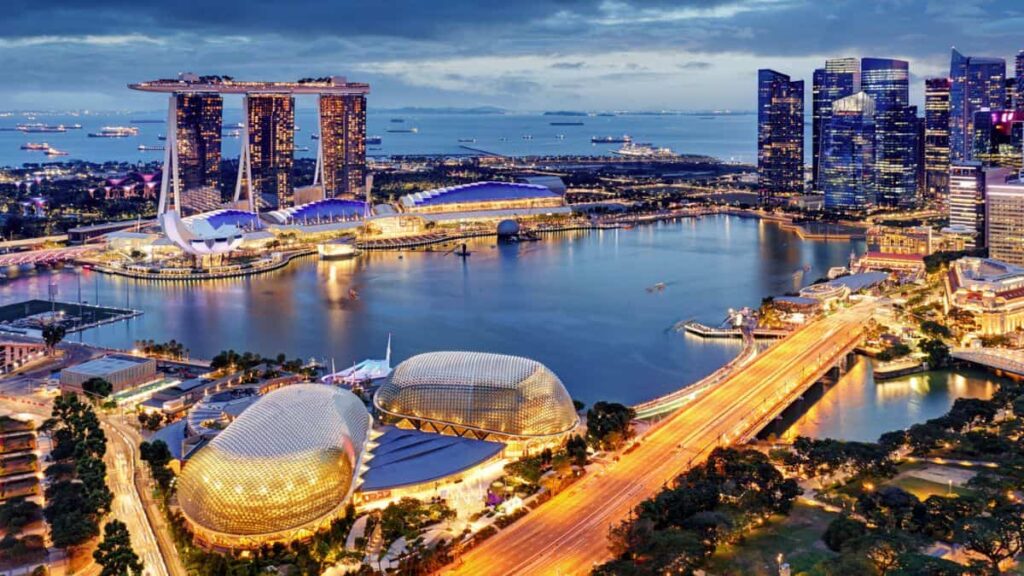
Singapore is one of Asia’s most exciting travel destinations, combining modern attractions, diverse cultures, delicious local food and convenient public transportation. From the iconic Marina Bay skyline to the colourful streets of Chinatown and Little India, there is something for every type of traveller.
Whether you are visiting Singapore for a short getaway, a family holiday, a shopping trip or a food adventure, these Singapore travel tips will help you plan your journey, manage your budget and make the most of your stay.
1. Best Time to Visit Singapore
Singapore has a tropical climate throughout the year, with warm temperatures, high humidity and occasional heavy rain. There are no distinct four seasons, making it a year-round destination.
- February to April: Often a good period for outdoor sightseeing, although rain is still possible.
- May to September: Generally warm and humid, with plenty of opportunities for shopping, dining and indoor attractions.
- November to January: Typically wetter months, so bring an umbrella and plan some indoor activities.
Singapore also hosts major events and festivals throughout the year, including Chinese New Year, the Great Singapore Sale period, National Day celebrations and the Singapore Grand Prix. Check event dates before booking if you want to experience a particular festival or attraction.
2. Getting Around Singapore
Singapore has an efficient public transportation network, making it easy to explore without renting a car.
MRT and public buses
The Mass Rapid Transit (MRT) system connects the airport, city centre, shopping districts and many popular tourist attractions. Public buses provide additional coverage for neighbourhoods and destinations away from MRT stations.
You can generally pay for public transport using an accepted contactless bank card or mobile wallet. Foreign-issued cards may incur additional fees, so check the current payment arrangements before travelling. Tourist travel passes may be worthwhile if you expect to make frequent journeys.
Taxis and ride-hailing services
Taxis and ride-hailing services are convenient for late-night journeys, travelling with children or carrying luggage. Fares vary according to distance, demand, surcharges and the service used.
Travel tip: Use a journey-planning app to check routes, estimated travel times and the nearest MRT stations before setting off.
3. Must-Visit Attractions in Singapore
Singapore offers a wide range of attractions, from spectacular waterfront landmarks to family-friendly theme parks and cultural neighbourhoods.
Marina Bay Sands and Gardens by the Bay
Marina Bay is one of Singapore’s most recognisable areas. Enjoy the waterfront promenade, admire the city skyline and visit Gardens by the Bay to see the famous Supertree Grove and its indoor conservatories.
The area is especially attractive in the evening, when the skyline and illuminated attractions create excellent photography opportunities.
Sentosa Island
Sentosa is a popular destination for families, couples and adventure seekers. Depending on your interests, you can enjoy theme park attractions, beaches, aquariums and other entertainment experiences.
Allow at least half a day to explore selected attractions, or a full day if you want a more relaxed visit.
Singapore Zoo and Mandai Wildlife Reserve
Nature and wildlife lovers can explore Singapore Zoo and other wildlife attractions at Mandai. These destinations are particularly suitable for families with children.
Check individual attraction opening hours, admission prices and animal experiences before visiting.
Chinatown, Little India and Kampong Glam
Discover Singapore’s multicultural heritage by exploring its historic neighbourhoods.
- Chinatown: Traditional shops, heritage streets, temples and local food.
- Little India: Colourful architecture, Indian cuisine and cultural landmarks.
- Kampong Glam: Malay heritage, independent boutiques, cafés and the iconic Sultan Mosque.
These neighbourhoods are excellent for walking, photography and sampling local dishes.
4. What to Eat in Singapore
Singapore is famous for its multicultural food scene, with Chinese, Malay, Indian and international influences.
Make time to try these local favourites:
- Hainanese chicken rice: Tender poached or roasted chicken served with fragrant rice.
- Laksa: A spicy, coconut-based noodle soup with a rich, aromatic broth.
- Char kway teow: Stir-fried flat rice noodles with a savoury, smoky flavour.
- Chilli crab: A well-known seafood dish served with a sweet, spicy tomato-based sauce.
- Satay: Grilled meat skewers served with peanut sauce.
- Roti prata: Crispy, flaky flatbread commonly served with curry.
- Kaya toast: Toast with coconut-and-egg jam, often enjoyed with coffee or tea.
Hawker centres are among the best places to experience Singapore’s food culture at a range of prices. Popular options include Maxwell Food Centre, Lau Pa Sat, Old Airport Road Food Centre and Chinatown Complex Food Centre.
Travel tip: Bring a reusable water bottle, and check individual stall operating hours because some vendors close on particular days.
5. How Much Does a Singapore Trip Cost?
Your travel budget depends on your accommodation, dining preferences, transport choices and attraction tickets.
| Expense | Budget-conscious option | What to consider |
|---|---|---|
| Accommodation | Hostels or budget hotels | Location and room type |
| Food | Hawker centres and food courts | Meals and drinks |
| Transport | MRT and public buses | Daily travel frequency |
| Attractions | Free sights and selected paid attractions | Admission tickets and packages |
| Shopping | Markets and shopping malls | Personal spending |
Singapore can be explored on a budget, especially if you use public transport, eat at hawker centres and combine free attractions with selected paid experiences.
Free or low-cost activities include walking around Marina Bay, exploring heritage neighbourhoods, visiting public gardens and enjoying selected waterfront areas.
6. Where to Stay in Singapore
Choosing accommodation near an MRT station can save time and make sightseeing easier.
- Marina Bay: Suitable for travellers who want a central location, waterfront scenery and convenient access to major attractions.
- Orchard Road: Ideal for shopping enthusiasts who want to stay close to retail malls and restaurants.
- Bugis and Kampong Glam: Good choices for travellers interested in cultural attractions, cafés and shopping.
- Chinatown: Convenient for food lovers and visitors who want to explore historic neighbourhoods.
- Little India: Offers access to local food, shopping and public transport, with accommodation options across different budgets.
Compare hotel prices, transport connections and cancellation conditions before making a reservation.
7. Essential Singapore Travel Tips
Before your trip, keep these practical points in mind.
Weather and clothing: Wear lightweight, breathable clothing and comfortable walking shoes. Carry an umbrella or compact raincoat for sudden showers.
Stay hydrated: Singapore’s humidity can make outdoor sightseeing tiring. Drink water regularly, especially when walking during the afternoon.
Local currency: Singapore uses the Singapore dollar (SGD). Contactless payments are widely accepted, but carrying a small amount of cash can be useful at some smaller stalls and shops.
Electricity: Singapore generally uses Type G electrical sockets, with a standard voltage of 230V and frequency of 50Hz. Bring a suitable travel adapter if necessary.
Connectivity: Consider an eSIM, local SIM card or roaming plan so you can access maps, transport information and attraction bookings.
Local laws: Singapore has strict laws covering matters such as drug offences, smoking in prohibited areas, littering and certain public behaviours. Follow posted signs and official regulations.
Entry requirements: Check your passport validity, visa requirements and the latest Singapore Arrival Card submission rules through the official Immigration & Checkpoints Authority website before travelling.
Travel insurance: Consider insurance that covers medical emergencies, travel delays, cancellations and lost belongings.
8. How to Plan a 3-Day Singapore Itinerary
If you have three days in Singapore, this suggested itinerary covers a mix of attractions, local food and cultural experiences.
Day 1: Marina Bay and the City Centre
Start with Marina Bay Sands and Gardens by the Bay. Explore the waterfront, enjoy lunch nearby and visit selected attractions in the afternoon. Stay around Marina Bay into the evening to enjoy the city lights.
Day 2: Sentosa Island
Spend the day at Sentosa, choosing attractions that match your interests and budget. You could visit a theme park, explore the island’s beaches or enjoy other entertainment experiences.
Book popular attractions in advance when required, especially during school holidays and major events.
Day 3: Cultural Neighbourhoods and Local Food
Explore Chinatown in the morning, continue to Little India or Kampong Glam, and sample local dishes along the way. If time permits, finish your trip with shopping around Bugis or Orchard Road.
This itinerary is flexible. If you prefer nature and wildlife, replace part of the city sightseeing with a visit to Mandai Wildlife Reserve.
9. Book Singapore Attractions and Experiences
Planning ahead can help you compare ticket prices, check availability and organise your sightseeing schedule.
Before purchasing tickets, confirm the attraction’s official website, operating hours, admission conditions and cancellation policy. Some experiences require advance reservations or timed entry.
Browse the latest attractions, tours, entertainment and travel experiences through Global-eTickets to help plan your Singapore holiday.
10. Final Thoughts
Singapore is an excellent destination for travellers seeking great food, modern attractions, cultural diversity and convenient transportation. With a little preparation, you can enjoy a memorable trip without rushing between every attraction.
Choose accommodation close to public transport, plan your sightseeing by neighbourhood, try local hawker food and leave some flexibility for unexpected rain or spontaneous discoveries.
Whether you are visiting for three days or a full week, these Singapore travel tips will help you make the most of your time in the Lion City.